



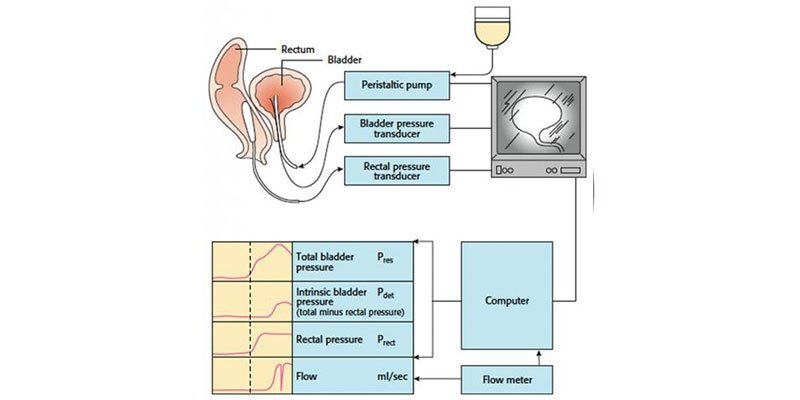
Urodynamic studies are specialized diagnostic tests used to evaluate how well the bladder and urethra store and release urine. These tests measure the relationship between pressure and urine flow within the lower urinary tract, helping healthcare providers assess bladder and urinary function accurately.
The primary objective of urodynamic testing is to identify the underlying cause of lower urinary tract dysfunction by analyzing its physiological mechanisms. This information plays a crucial role in establishing an accurate diagnosis and developing an effective treatment plan.
A comprehensive urodynamic evaluation examines both the bladder filling and storage phase, as well as the voiding phase when urine is expelled. In some cases, additional provocative tests may be performed to reproduce symptoms and evaluate the circumstances under which urinary leakage occurs.

We must explain to you how all seds this mistakens idea off denouncing pleasures and praising pain was born and I will give you a completed accounts off the system and expound.
Consultation