



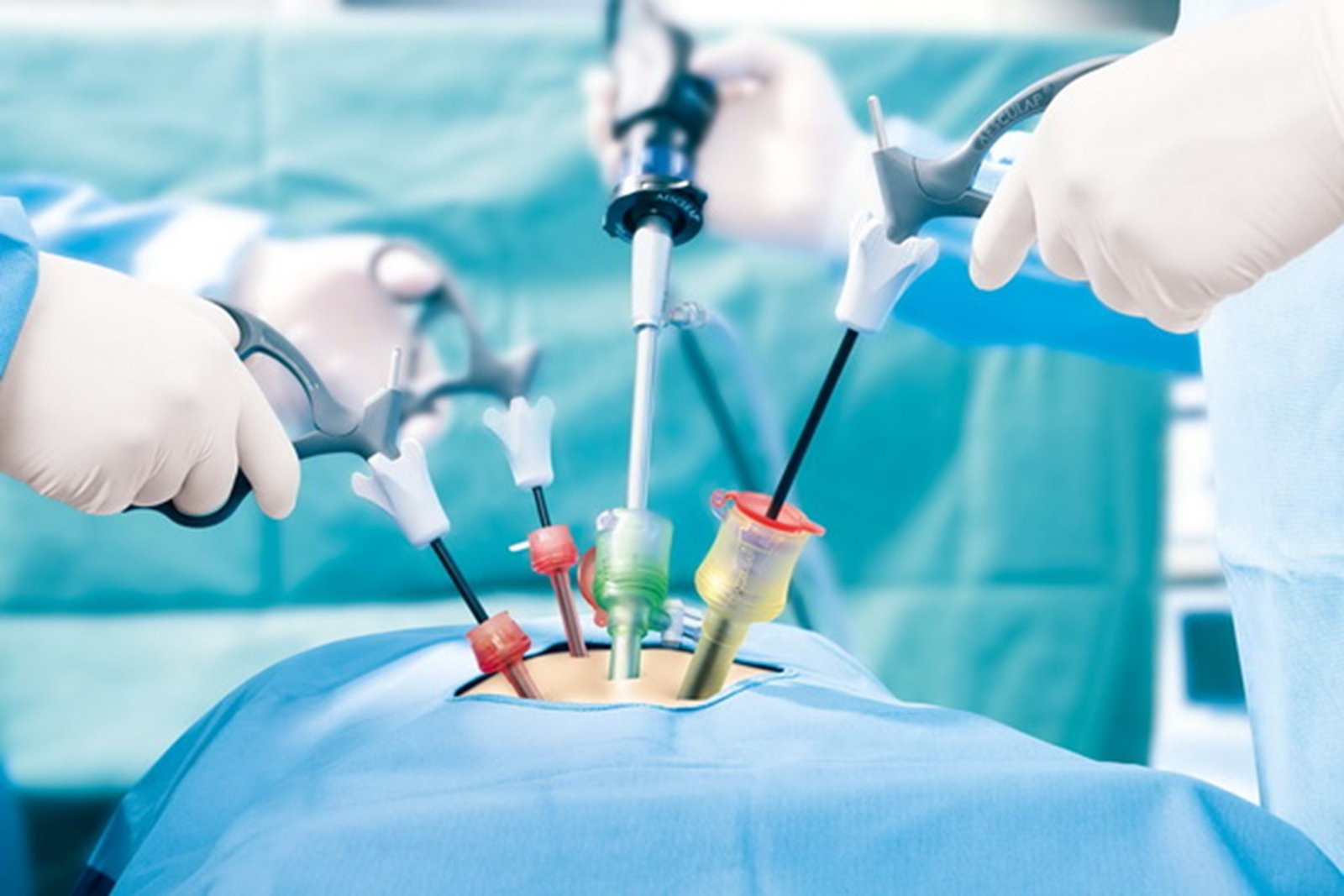
Laparoscopic radical nephrectomy is a minimally invasive surgical procedure performed to remove an entire kidney, typically for the treatment of kidney cancer or other serious kidney conditions. The surgery is carried out under general anesthesia, ensuring the patient remains asleep and comfortable throughout the procedure.
The duration of the operation may vary depending on the patient's condition and the complexity of the case. On average, laparoscopic radical nephrectomy takes approximately 3 to 4 hours to complete.
During the procedure, the surgeon makes three to four small incisions, usually less than 1 centimeter in length, in the abdominal wall. These tiny openings allow specialized surgical instruments and a laparoscope—a thin telescope equipped with a high-definition camera—to be inserted into the abdomen.
The laparoscope provides a magnified view of the internal organs, enabling the surgeon to perform the operation with enhanced precision. The instruments are introduced through ports known as trocars, which serve as access channels for the surgical tools. This minimally invasive approach generally results in less postoperative pain, smaller scars, reduced blood loss, and a faster recovery compared to traditional open surgery.
The placement of the trocars is carefully planned to provide optimal access to the kidney and surrounding structures, ensuring safe and effective removal of the affected organ.
The laparoscope allows for 10X magnification of the operative field, allowing the surgeon to accomplish the surgical procedure with improved visualization and without placing his hands into the abdominal cavity. The abdomen is filled with carbon dioxide gas to create a larger working space for the surgeon to accomplish the operation. This gas is later evacuated from the abdomen at the conclusion of the operation. The affected kidney is then dissected and exposed from surrounding organs such as the liver, spleen and intestines. The blood supply to the kidney is clipped and divided, allowing for safe and efficient removal of the kidney with minimal blood loss. The tumor within the kidney and surrounding fat and visible surrounding lymph nodes are removed. The adjacent adrenal gland may also at times be removed if the tumor is large or in close proximity to it. Once the tumor and kidney are excised, they are immediately placed within a plastic sack and the specimens are removed from the abdomen intact by extraction through an extension of one of the pre-existing abdominal incisions. Finally, the skin incisions are closed using plastic surgery techniques to minimize scarring.
Laparoscopic partial nephrectomy (LPN) compares favorably to traditional open nephron-sparing surgery (NSS) in terms of oncologic and surgical principles for kidney tumors. Studies have shown the modality to be feasible with similar oncologic efficacy and superior renal functional outcomes compared with laparoscopic radical nephrectomy (LRN) for tumors. The main advantages of LPN include marked improvements in estimated blood loss, decreased surgical site pain, shorter postoperative convalescence, better cosmesis, and nephron preservation. This review article evaluates the literature regarding LPN and discusses the main steps of the operation, the perioperative workup and management, surgical complications, and its role in the surgical management of kidney masses.
Absolute indications for laparoscopic partial nephrectomy (LPN) include bilateral tumors or tumors in a solitary kidney. Relative indications include familial renal cancer syndromes such as Von Hippel–Lindau, hereditary leiomyomatosis, or hereditary papillary renal cell carcinoma (RCC). Patients with chronic kidney disease are generally offered nephron sparing surgery for hope of future renal function preservation. This reasoning also applies to those patients with preexisting diseases that may threaten a solitary kidney such as uncontrolled diabetes and hypertension. The American Urologic Association renal mass guidelines extend this rationale to other threatened populations such as those with recurrent urolithiasis or morbid obesity.1 The current standard of care is to perform a partial nephrectomy for pT1a tumors assuming that the mass is amenable to such an approach. Although originally reserved for exophytic and small (<4 cm) tumors, multiple series have shown that LPN can be safely offered for hilar, endophytic, and multiple tumors.2–4 Relative contraindications to LPN include tumor thrombi into the renal vein or inferior vena cava or advanced tumor invasion, as these are best approached with a radical nephrectomy. Uncorrected coagulopathy also is a relative contraindication to LPN.

We must explain to you how all seds this mistakens idea off denouncing pleasures and praising pain was born and I will give you a completed accounts off the system and expound.
Consultation